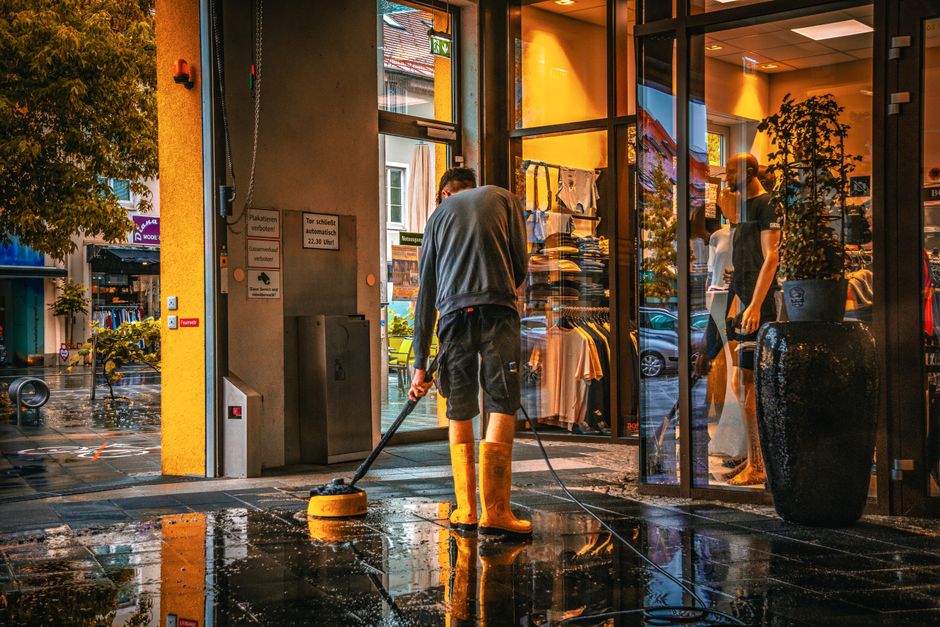
Small business cleaning packages for Foots Cray High Street shops
Running a shop on Foots Cray High Street means every detail is on display. The floor near the till, the front window, the smell when a customer walks in, the state of the chairs in the fitting corner, all of it quietly shapes how people feel about your business. That is where Small business cleaning packages for Foots Cray High Street shops really earn their keep. They are not just about making things look tidy for a day. Done properly, they help your shop feel welcoming, look cared for, and stay easier to manage week after week.
If you have ever opened up on a damp morning and noticed that the entrance already looks tired before the first customer arrives, you will know what I mean. A sensible cleaning package takes the pressure off. It gives you a plan for carpets, upholstery, hard-to-shift stains, display-area freshness, and the bits that customers notice even when they do not say a word. This guide walks through how these packages work, who they suit, what to avoid, and how to choose a setup that fits a real small business budget, not some fantasy one.
Table of Contents
- Why it matters for High Street shops
- How the packages work
- Benefits and practical advantages
- Who it is for and when it makes sense
- Step-by-step guidance
- Expert tips for better results
- Common mistakes to avoid
- Tools, resources and recommendations
- Law, compliance, standards and best practice
- Options, methods and comparison table
- Case study or real-world example
- Practical checklist
- Conclusion
- Frequently asked questions
Why Small business cleaning packages for Foots Cray High Street shops Matters
High Street shops live and die by first impressions. A clean entrance can make a shop feel open and trustworthy, while a tired carpet or dusty fabric chair can quietly put people off. That sounds harsh, but let's face it, customers make snap judgments. They may not mention the crumb trail by the doorway or the faint odour near the back counter, but they notice.
For small businesses, cleaning is also about rhythm. You need routines that fit trading hours, staff availability, and the reality of a busy day. A one-off deep clean can help, but a package gives consistency. It is the difference between scrambling to tidy up when things get bad and staying ahead of the mess in the first place.
There is also a commercial side to this. Regular care often helps carpets, curtains, soft seating, and upholstery last longer, which can reduce replacement pressure over time. If you rely on customer-facing fabric surfaces, that matters. A neat shop feels more organised, and organised usually feels more reliable. Not fancy. Just solid.
For retailers near Foots Cray High Street, where footfall, weather, and daily handling all take their toll, structured commercial cleaning is a practical investment rather than a nice-to-have. A package built around your premises can cover recurring needs without making you re-book every job from scratch.
Expert summary: The best cleaning packages for small shops are the ones that protect presentation, fit trading patterns, and cover the surfaces customers touch most often. Pretty simple really, but easy to get wrong if you only buy cleaning reactively.
How Small business cleaning packages for Foots Cray High Street shops Works
At a basic level, a package bundles together the cleaning tasks your shop is likely to need on a regular basis. That could mean carpet cleaning, steam carpet cleaning, upholstery cleaning, rug cleaning, stain removal, or specialist care for furniture and soft furnishings. Some shops only need a few of these. Others need a broader mix because their layout is more customer-facing or because the shop is open long hours.
The first step is usually a walk-through or a conversation about the premises. What kind of flooring do you have? Do customers sit down? Are there fabric chairs, curtains, waiting areas, or product displays close to the entrance? A small boutique will need something different from a barbers, a convenience store, or a little salon-style retail space. The package should reflect the actual building, not a generic "shop" template.
Good packages also consider timing. You might need cleaning early morning, after closing, or on a quieter day so you are not disrupting sales. A small business does not want a crew turning up in the middle of a trading rush. That part sounds obvious, but it gets overlooked more often than you'd think.
In practice, the process often looks like this:
- Assess the shop layout and main problem areas.
- Identify which surfaces need routine care and which need occasional deep cleaning.
- Choose the services that fit the shop's use, such as commercial carpet cleaning for footfall-heavy flooring or upholstery cleaning for seating and waiting areas.
- Set a schedule that suits trading hours.
- Review results and adjust the package if the shop's needs change.
A useful package should never feel rigid. Winter brings wet shoes and muddy entrances. Summer may mean more dust near open doors. A good provider adapts the plan rather than sticking to a fixed checklist just because it was printed that way.
Key Benefits and Practical Advantages
The most obvious benefit is appearance, but there is more to it than that.
- Cleaner customer experience: A fresher shop feels easier to browse and more pleasant to stay in.
- Better upkeep of fixtures: Regular care can help carpets, upholstery, and curtains stay in decent shape for longer.
- Less stress for owners: When cleaning is scheduled, you are not chasing problems at the last minute.
- More predictable budgeting: Packages can be easier to plan around than random one-off jobs.
- Improved presentation during busy periods: Useful when trade is unpredictable and you need the shop to look ready every day.
- Targeted problem solving: You can combine stain removal, odour treatment, and deep cleaning where needed instead of overspending on irrelevant extras.
There is a quieter benefit too: morale. Staff tend to work better in a place that feels cared for. Customers pick up on that atmosphere. It is subtle, but it is real.
And if your shop includes soft furnishings, you may find specialist services worthwhile. For example, a small shop that has fabric chairs or display seating might benefit from sofa cleaning or rug cleaning as part of a broader package. A front-of-house carpet that sees constant shoes and rainwater may need steam carpet cleaning from time to time to bring it back properly.
Who This Is For and When It Makes Sense
These packages are a strong fit for small independent businesses that trade directly with the public. Think fashion shops, gift shops, small salons, local services with a reception area, convenience stores with customer flooring, or any shop where people pause rather than just walk through.
They also make sense if any of the following sound familiar:
- Your entrance gets dirty quickly because of heavy foot traffic.
- You have fabric furnishings that trap dust or odour.
- You cannot afford to shut the shop for long cleaning jobs.
- Your staff are already busy with stock, service, and day-to-day operations.
- You want to avoid the "deep clean panic" that happens every few months when the place suddenly looks worn out.
Not every business needs the same level of service. A tiny shop with tiled floors and no seating may only need a light package focused on entrances, spot treatment, and occasional deep cleans. A more customer-led space may need routine carpet and upholstery maintenance. Truth be told, the right answer usually comes from looking at the shop the way a customer would: from the doorway in.
If you are unsure whether a package is worth it, ask yourself a simple question: would I feel comfortable inviting a new customer in here on a wet Tuesday afternoon? If the answer is "maybe", there is probably room for a better cleaning plan.
Step-by-Step Guidance
If you want a cleaning package that actually works in a small retail setting, follow a practical process rather than guessing.
1. Walk the shop like a customer
Start at the entrance and move slowly through the space. Notice where dirt gathers, where fabrics look dull, and where people tend to stand or sit. The most visible problems are not always the most urgent. Sometimes the quiet corner chair needs attention before the front mat does.
2. Separate daily tidying from specialist cleaning
Staff can handle wiping surfaces, clearing litter, and dealing with little spills. Specialist work is for deeper soil, embedded grime, odours, and fabric recovery. That distinction matters. A proper package should support daily cleaning, not replace it.
3. Identify priority surfaces
Most small shops will focus on carpets first, then upholstery, then any curtains, rugs, or fabric seating. If you have one stained area near the till or a musty-smelling rug, make that a priority. There is no point cleaning the whole shop if one bad patch keeps bothering everyone.
4. Choose the right service mix
For a shop with mixed soft furnishings, useful building blocks can include carpet cleaning, stain removal, curtain cleaning, and pet stain odour removal if animals or strong smells have become part of the problem. Not every shop needs all of them. Use what is genuinely useful.
5. Set a realistic frequency
Some areas need attention monthly. Others can be managed quarterly or seasonally. The right schedule depends on how busy the shop is, what it sells, and how quickly the surfaces show wear.
6. Review after the first visit
After the initial clean, check what improved and what still feels off. A good package should be adjusted, not just repeated. That is where a lot of the value sits, actually.
Expert Tips for Better Results
Small shops get the best results when the cleaning plan is specific. Broad, vague packages sound convenient but often miss the details that matter.
- Prioritise the entrance zone. It carries the most dirt and makes the first impression. Always.
- Ask how drying time is handled. If your shop needs to open quickly, low-moisture or efficient drying methods may be more practical.
- Use spot treatment early. A fresh stain is far easier to manage than one that has been walked into the fibres for two weeks.
- Match the method to the material. Delicate fabrics, wool-rich rugs, and fitted upholstery all need sensible treatment, not brute force.
- Keep communication simple. If the back room has access issues or stock that cannot be moved, say so in advance.
- Ask for notes after each visit. Even a brief recap helps you understand which areas need more attention next time.
One practical tip from real life: do not schedule cleaning right after a promotional event if the shop is likely to be packed with spills, confetti, and a trail of half-forgotten coffee cups. Give the place a reset window first. You will save time, and probably a bit of money too.
Also, if you have mixed soft furnishings, explore whether upholstery cleaning or steam carpet cleaning is the better fit rather than treating everything the same. Different materials behave differently. A bit annoyingly, they really do.
Common Mistakes to Avoid
A lot of cleaning disappointments come from simple mismatches rather than poor workmanship.
- Buying on price alone: Cheap packages can leave out the areas that matter most.
- Ignoring dry time: If the shop cannot trade properly after cleaning, the service is disruptive no matter how thorough it looks on paper.
- Not defining the problem: "Make it clean" is not enough. Stains, odours, traffic lanes, and general dullness are different issues.
- Forgetting the back-of-house areas: Customers may not see them, but staff still live with them.
- Assuming one clean solves everything: Without a routine, the same problems return.
- Using harsh DIY products on fabric: That can set stains or damage fibres, which is a costly mistake.
Another common one: cleaning only when the shop feels embarrassing. That tends to mean you are already behind. Not a disaster, but not ideal either. A regular package avoids that rollercoaster.
Tools, Resources and Recommendations
You do not need a warehouse of equipment to manage a small retail cleaning plan. What you do need is a sensible combination of practical tools and clear expectations.
Helpful resources and considerations include:
- Entry mats and door runners: These reduce the amount of grit carried into the shop.
- Spot-clean kits for staff: Useful for immediate spill response, provided they are suitable for the surfaces in the shop.
- Vacuuming and daily dust control: The backbone of keeping cleaning packages effective between visits.
- Simple cleaning log: A note of when areas were last cleaned can prevent confusion later.
- Seasonal review: The shop may need more frequent care in wet months and lighter maintenance in quieter periods.
If your premises include soft furnishings, it can be useful to think in service categories. For example, commercial carpet cleaning is ideal for customer routes and traffic lanes, while curtain cleaning may be more relevant if dust and odour build up near windows or doorways. If you need to deepen the broader understanding of fabric care, upholstery cleaning is a good companion service.
For businesses that want to understand the provider's approach before booking, the pages on about us, pricing and quotes, and insurance and safety are useful starting points. They help you judge whether the service feels organised, transparent, and properly covered. That matters more than people think.
Law, Compliance, Standards, or Best Practice
For shop owners, the main thing is not memorising legal jargon. It is making sure cleaning arrangements fit normal UK expectations around safety, insurance, and responsible working practice.
Good practice usually means:
- choosing contractors who can explain how they work safely around staff, stock, and customers;
- checking that access arrangements do not create avoidable slip risks;
- making sure chemicals and methods are suitable for the surfaces being treated;
- keeping cleaning schedules realistic so the shop remains usable;
- being clear about payment, terms, and what is included before work begins.
Where fabrics, flooring, or entry areas are concerned, a cautious approach is sensible. Materials vary, and what is safe for one surface may not suit another. That is especially true in small shops that mix old fixtures with newer displays. A trustworthy provider should be happy to talk through these limits without overpromising.
If you care about responsible operations, it may also be worth looking at sustainability and waste handling. Pages like recycling and sustainability, health and safety policy, and terms and conditions help set expectations around the wider service relationship. Not glamorous, perhaps, but very useful when you need clarity.
Options, Methods, or Comparison Table
Different shop packages suit different trading patterns. Here is a simple comparison to help you think it through.
| Package type | Best for | Typical focus | Why it works |
|---|---|---|---|
| Light maintenance package | Very small shops with low footfall | Routine vacuuming support, entry-zone care, occasional spot treatment | Keeps the shop presentable without overcommitting budget |
| Core retail package | Most High Street shops | Carpet cleaning, stain removal, upholstery touch-ups | Balances appearance, upkeep, and regular trading needs |
| Enhanced presentation package | Shops with seating, fabrics, or premium customer areas | Carpets, upholstery, curtains, rugs, odour management | Supports a more polished look and feel throughout the space |
| Seasonal deep-clean package | Businesses that need occasional reset cleans | Full deep cleaning before busy trading periods or after winter wear | Useful for restoration, refresh, and pre-event preparation |
There is no single right choice. The best option depends on how your shop is used. A compact card shop with a narrow entrance does not need the same plan as a boutique with chairs, rugs, and textile displays. The point is to match the clean to the reality of the room.
Case Study or Real-World Example
Picture a small independent shop on Foots Cray High Street with a narrow entrance, a carpeted customer area, two upholstered chairs near the till, and a window display that draws people in from the pavement. During wet weather, the entrance carpet starts to look dark and patchy. The chairs pick up dust and the faint smell of damp coats. Nothing dramatic. Just enough to make the space feel a bit tired.
The owner first tries to keep on top of it with quick vacuuming and fabric sprays. It helps, sort of. But by the third month, the shop still looks worn at the edges. After switching to a small business cleaning package, the plan changes: scheduled carpet care for the front area, upholstery cleaning for the seating, and occasional stain treatment for the high-traffic spots. The difference is not theatrical. It is steadier. The shop feels brighter, the air feels cleaner, and the owner stops worrying every time a customer walks in after rain.
That is the kind of change that matters in a real small business. Not dramatic, just dependable. And dependable is gold when you are trying to build repeat custom.
Practical Checklist
Use this checklist before choosing a package or booking a clean.
- Have you identified the most visible problem areas?
- Do you know which surfaces need routine care and which need occasional deep cleaning?
- Have you considered carpet, upholstery, rugs, curtains, and stain-prone areas separately?
- Can the cleaning be done around your trading hours?
- Have you asked about drying time and access needs?
- Are the terms, payment process, and inclusions clear?
- Do you know what will be cleaned first if time is limited?
- Have you checked whether the provider has relevant safety and insurance information available?
- Is there a plan for ongoing maintenance after the first visit?
- Would the shop feel comfortable to a first-time customer after the clean?
That last one is a good test. Simple, but effective.
Conclusion
Small business cleaning packages for Foots Cray High Street shops are really about making your day-to-day easier while helping your business look and feel dependable. The right package protects presentation, supports staff, and stops little messes from turning into expensive distractions. For most shops, the smartest approach is not the biggest package or the cheapest one. It is the one that actually fits the space, the trading pattern, and the surfaces people notice most.
Start with the entrance, the customer-facing fabrics, and the places that collect dirt fastest. Then build from there. If you keep the plan practical and review it now and then, you will usually get better value than from a one-size-fits-all arrangement. Simple, steady, useful. That is the sweet spot.
Get a free quote today and see how much you can save.
If you are ready to make the shop feel fresher, calmer, and easier to manage, take the next step with confidence. A clean shop can change the whole mood of a trading day, honestly.
Frequently Asked Questions
What is included in small business cleaning packages for Foots Cray High Street shops?
It depends on the shop, but packages often include carpet cleaning, upholstery cleaning, stain removal, rug care, curtain cleaning, and occasional deep cleaning for customer-facing areas. The best package is built around your actual layout, not a generic checklist.
How often should a High Street shop book professional cleaning?
That varies with footfall and the materials in the shop. Busy entrances and customer areas may need more frequent attention, while less-used spaces can be cleaned less often. A seasonal review is usually a sensible starting point.
Is steam carpet cleaning suitable for small retail spaces?
It can be, especially where carpets are heavily used or visibly dull. The main thing is to check that drying time and fibre type suit your shop's schedule and flooring. Not every carpet needs the same treatment.
Do small shops really need upholstery cleaning?
If you have customer seating, fabric chairs, waiting-area sofas, or soft furnishings near the front of the shop, yes, it often helps. Upholstery can hold dust, odours, and day-to-day grime longer than people expect.
Can cleaning packages be scheduled outside trading hours?
Usually, yes. Many small businesses prefer early morning, evening, or quieter-day appointments so they can keep trading without disruption. It is worth asking about this from the start.
What is the difference between a one-off clean and a package?
A one-off clean solves an immediate problem, while a package creates an ongoing plan. For small shops, the package approach often works better because it keeps standards steady rather than waiting for the space to deteriorate.
How do I choose the right services for my shop?
Walk through the space and note the surfaces that show wear first. Carpeted entrances, fabric seating, rugs, curtains, and stained spots are usually the main candidates. Then choose only the services that solve those issues.
Are stain removal treatments safe for all fabrics?
Not always. Different fabrics and floor coverings react differently, so the method should be matched to the material. If a stain is awkward or old, it is better to ask before trying strong DIY products.
What should I ask before booking a cleaning provider?
Ask what is included, how long the work will take, how drying is handled, whether the provider has relevant insurance information, and how access or stock movement will be managed. Clear answers usually tell you a lot.
Can a cleaning package help my shop look more professional?
Yes. A fresher entrance, cleaner fabrics, and better-smelling customer areas all help a shop feel more trustworthy and cared for. People notice more than they say.
What if my shop only needs a few services?
That is completely normal. Some shops only need commercial carpet cleaning and spot treatment, while others need a broader mix. A good package should be flexible enough to stay lean if that is all you need.
Where can I learn more about the provider's policies and approach?
Useful pages to review include about us, pricing and quotes, insurance and safety, and health and safety policy. They help you judge whether the service is organised and transparent.