Upholstery cleaning near Foots Cray station: what to expect
If you're looking into upholstery cleaning near Foots Cray station what to expect, you probably want a simple answer before you book: how long it takes, what happens to your sofa or chairs, whether stains really come out, and if the whole thing is going to feel like a faff. Fair enough. Most people only call in a professional when the fabric has started to look a bit tired, the room smells not quite right, or the cat has made a decision the cushion never asked for.
This guide walks you through the full experience in plain English. You'll learn how the service usually works, what a good cleaner should check before starting, how drying times tend to go, what can and cannot be removed, and the small details that separate a decent job from a proper one. I'll also cover common mistakes, practical expectations, and a checklist you can use before anyone arrives at the door.
For readers comparing services locally, it can help to look at the broader range of fabric-care options too, including professional upholstery cleaning, sofa cleaning, and even related treatments such as targeted stain removal when a mark needs extra attention.
Table of Contents
- Why upholstery cleaning near Foots Cray station matters
- How the cleaning process works
- Key benefits and practical advantages
- Who this is for and when it makes sense
- Step-by-step guidance
- Expert tips for better results
- Common mistakes to avoid
- Tools, resources and recommendations
- Law, compliance, standards, or best practice
- Options, methods, and comparison table
- Case study or real-world example
- Practical checklist
- Conclusion
- Frequently asked questions
Why Upholstery cleaning near Foots Cray station what to expect Matters
Upholstery is one of those things you stop noticing until it suddenly looks grubby. Then, once you see it, you can't unsee it. A sofa arm that once looked cream may now look slightly grey. A dining chair seat may have the odd ring mark. A headboard, meanwhile, collects dust in a way most people only discover when sunlight hits it at an awkward angle around 8:15 in the morning. That is usually when the need becomes obvious.
Near Foots Cray station, people often want a convenient, local service that fits around work, school runs, or a weekend tidy-up. The point of a professional visit is not just "make it look cleaner". It's to lift soil from deep in the fibres, handle the fabric safely, and reduce the chance of overwetting or setting stains the wrong way. That matters because upholstery is more delicate than flooring. Treat it like carpet and you can cause shrinkage, dye bleed, or a drying problem that lingers for hours longer than expected.
Another reason this service matters is comfort. Fresh upholstery changes the feel of a room in a way that's hard to describe until you've lived with it. The air feels lighter. The fabric looks revived. Sometimes the whole space seems calmer. Not magic, just practical care done properly.
It also matters for families, pet owners, landlords, and anyone preparing a property for visitors or new tenants. Even if a sofa isn't heavily stained, a periodic clean can remove everyday body oils, dust, crumbs, and general build-up. Truth be told, those everyday layers are often what make fabric look old before it actually is.
How Upholstery cleaning near Foots Cray station what to expect Works
A good upholstery clean usually starts with inspection. The cleaner should identify the fabric type, check for care labels where visible, and look for worn areas, previous repairs, or stubborn marks. This part is important because not every fabric can be treated the same way. A water-safe synthetic sofa is very different from a delicate natural fibre or a piece with unstable dyes.
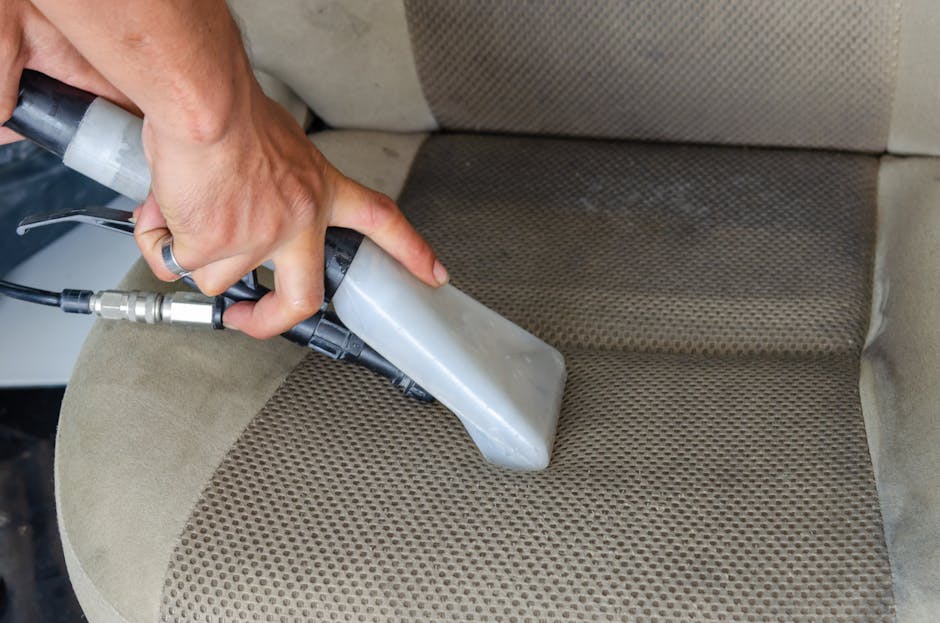
After inspection comes preparation. In many cases, loose dirt is removed first with a vacuum and specialist attachments. Then the cleaner may apply a pre-treatment to loosen grime and target specific marks. If the fabric allows it, the main clean is then carried out using controlled moisture, cleaning solution, and extraction or agitation depending on the method chosen. The aim is to lift dirt without saturating the filling underneath.
What happens next depends on the material and the condition of the item. Some pieces respond quickly, especially routine-cleaned sofas or chairs. Others need slower work around armrests, headrests, or high-traffic zones. For pet-related odours or embedded contamination, a specialist approach may be needed; that is where something like pet stain and odour removal can be relevant.
Drying is the final phase, and this is where expectations should be realistic. Upholstery usually dries faster than people fear, but slower than they hope. Air movement, room temperature, humidity, fabric thickness, and how heavily the item was cleaned all affect the timeline. Some fabrics may feel touch-dry quite quickly but still benefit from a longer settling period before full use. Let's face it, nobody wants to sit down too early and leave a lovely fresh impression of their jeans on the sofa.
For customers who want a wider clean across the home, the upholstery visit is often coordinated alongside services such as carpet cleaning, rug cleaning, or curtain cleaning to keep dust and fabric care consistent throughout the property.
Key Benefits and Practical Advantages
The most obvious benefit is visual. Clean upholstery looks fresher, brighter, and better cared for. But the practical gains usually go beyond appearance.
- Improved hygiene: Regular cleaning helps remove dust, skin flakes, and general debris trapped in the fabric.
- Better odour control: Sofas and chairs can hold on to cooking smells, pet odours, and everyday mustiness.
- Longer fabric life: Removing abrasive dirt can reduce wear on the fibres.
- More comfortable living space: Clean fabric simply feels nicer to sit on.
- Better presentation: Handy for landlords, guests, home sales, or home working spaces.
There is also a useful confidence benefit. Once you know the cleaner has assessed the fabric correctly, you stop worrying so much about making the wrong choice yourself. That peace of mind is worth quite a lot, especially on a sofa that cost more than you'd like to admit.
In some homes, upholstery cleaning also supports a broader maintenance routine. A fabric chair near the hallway, for example, may collect much more pollution and grit than a chair tucked away upstairs. Those high-touch, high-use pieces tend to benefit most from regular professional attention. The difference can be obvious after one proper clean.
Who This Is For and When It Makes Sense
This service makes sense for a wide range of people. If you live in a flat near the station and your sofa gets daily use, you'll probably notice the build-up faster than someone with a spare lounge. If you have children, pets, or frequent visitors, the upholstery takes more abuse than you might realise. And if you're getting a property ready to rent or sell, clean seating can quietly improve the whole impression of the home.
It also makes sense when you notice any of the following:
- dull patches on arms, seats, or headrests
- spots or rings from drinks
- pet hair and lingering smell
- crumbs, dust, or visible grime in seams
- a sofa that looks fine at first glance but feels tired close up
There are also times when you might not need a deep clean right away. If the item is very old, structurally weak, or made from an unsuitable fabric, a cautious spot treatment or maintenance clean may be the smarter route. A professional should say so. If they don't, that's a small warning light, and worth noting.
For commercial spaces, seating in waiting rooms, reception areas, or small offices can also benefit from scheduled care. In those settings, it may be wise to look at commercial carpet cleaning alongside upholstery work to keep the whole environment looking consistent.
Step-by-Step Guidance
If you've never booked this kind of service before, the process is usually straightforward. Here's what a typical appointment looks like.
- Initial enquiry: You describe the furniture, the fabric if known, and the main issues, such as stains, odours, or general dullness.
- Quote or estimate: You'll usually be given a price based on item type, size, and condition. Some companies may ask for photos first.
- Pre-visit guidance: You may be asked to clear small items, vacuum loose debris, or make access easier. It's simple stuff, but it helps a lot.
- On-site inspection: The cleaner checks the fabric, tests a small hidden area if needed, and confirms the safest method.
- Pre-treatment: Problem areas get targeted first so soil can loosen before the main clean.
- Main cleaning: The technician works methodically across the item, usually section by section.
- Spot detailing: If any stains need extra care, they're treated again rather than rushed.
- Drying advice: You'll be told how long to wait before regular use and what to avoid in the meantime.
One thing people often underestimate is the inspection stage. It may feel like the cleaner is just looking at the furniture, but that's where the useful judgement happens. The fabric tells a story. Some marks are surface-level. Others have travelled into the padding. A professional should be able to tell the difference pretty quickly.
If you want a better sense of how pricing is usually handled before booking, it can help to review the company's pricing and quote information and make sure you understand what is included. Small detail, big difference.
Expert Tips for Better Results
Here are the details that make a job go smoothly, from both sides.
- Tell the cleaner about every stain. Even if you think it is old news, mention it. A dried coffee mark and a wine spill may need different treatment.
- Say what the furniture is made of if you know. Cotton, linen, velvet, microfibre, leather-look materials, and mixed fabrics all behave differently.
- Vacuum beforehand if you can. It helps the clean start from a better baseline.
- Open windows if weather allows. Fresh air helps drying, though a cold draught on a damp sofa is not the dream either.
- Keep pets and children off the item until it is ready. This avoids new marks and speeds up the whole process.
- Ask for aftercare guidance. Good cleaners should tell you what to do if a mark reappears while drying.
A practical tip that often gets missed: photograph any existing stains before the clean. Not for drama. Just so everyone understands what was already there. It makes conversations easier later if a mark softens but does not vanish completely.
If odour, spills, or surface staining are your main concern, it can also be helpful to compare upholstery cleaning with other nearby fabric services, such as mattress cleaning or steam carpet cleaning, depending on which area of the home needs the most attention. Not every room needs the same approach.
Common Mistakes to Avoid
Most problems with upholstery care happen before the cleaner even arrives. The good news? They are usually avoidable.
- Using too much water on your own. Overwetting can push dirt deeper and make drying messy.
- Rubbing stains aggressively. That can spread the mark or rough up the pile.
- Ignoring the fabric label. Some materials simply need caution. A blanket approach is not your friend here.
- Assuming every stain is removable. Some have already changed the fibre permanently.
- Booking only by the cheapest price. Price matters, of course, but method and care matter more.
- Using the furniture too soon. It can leave impressions, dull spots, or even re-soiling while drying.
A surprisingly common mistake is expecting one visit to solve years of wear in every case. Sometimes it does. Sometimes it improves the item a lot, but not perfectly. That's not failure; it's simply the reality of fabric care. Anyone claiming every stain disappears would make a very convincing sales pitch, but probably a poor one.
Another issue is not checking for colour fastness. On some delicate or brightly dyed fabrics, a test patch is a sensible precaution. Proper testing sounds boring, but it's the sort of boring that saves furniture.
Tools, Resources and Recommendations
You do not need a cupboard full of gadgets to prepare for upholstery cleaning, but a few sensible tools and habits help.
- Vacuum with upholstery attachment: Useful for removing crumbs and dust before the visit.
- Microfibre cloths: Handy for light dusting or gentle blotting around the furniture.
- Clean towels or absorbent cloths: Good for dealing with fresh spills before they settle.
- Soft brush: Can help lift loose debris from seams, though use lightly.
- Notebook or phone notes: Keep details of stains, fabric concerns, or past cleaning dates.
On the service side, useful pages to review before booking include the company's insurance and safety information, health and safety policy, and terms and conditions. Those pages help you understand what a provider covers, how they work on-site, and what expectations sit on both sides. Not exciting, but genuinely useful.
If the furniture is expensive, antique, or sentimental, ask extra questions before the clean. A specialist should explain what method they'd use and why. A calm, measured answer is usually a good sign. Rushed confidence? Not so much.
Law, Compliance, Standards, or Best Practice
For upholstery cleaning, the most relevant point is not a dramatic legal rule, but basic duty of care and sensible best practice. A service provider should work safely, handle chemicals appropriately, and take reasonable steps to protect your home and belongings. In the UK, that usually means proper insurance, clear communication, and safe working methods rather than overblown claims.
From a customer point of view, you should expect:
- clear explanation of the cleaning method
- careful handling of the fabric and surrounding area
- reasonable caution with moisture and stain treatment
- respect for access, property, and personal belongings
- honest advice where a stain cannot be fully removed
Good providers also tend to have straightforward policies on complaints, privacy, payment, and sustainability. Those don't clean a sofa directly, obviously, but they do tell you a lot about how the business is run. If you value accountability, it is worth reading pages such as the complaints procedure and the privacy policy before you book.
There is also a practical environmental angle. Responsible cleaning aims to use only the amount of product and water needed for the job. If a company mentions recycling, waste reduction, or broader sustainability practices, that can be a positive sign. It does not need to be flashy. Quiet consistency is enough.
Options, Methods, or Comparison Table
Not all upholstery cleaning methods are the same. The right choice depends on fabric type, soil level, drying needs, and what you want to achieve. Here is a simple comparison.
| Method | Best for | Strengths | Things to watch |
|---|---|---|---|
| Low-moisture cleaning | General maintenance, delicate or moisture-sensitive fabrics | Faster drying, controlled application, less risk of overwetting | May need extra attention for deep stains |
| Hot water extraction | Synthetic upholstery and heavily soiled items where fabric allows it | Strong soil removal, good for deeper cleaning | Drying time can be longer; not suitable for every fabric |
| Foam or encapsulation-style cleaning | Light to moderate soil, commercial seating, routine refreshes | Often tidy, efficient, and relatively quick | Performance depends on the fabric and pre-condition of the item |
| Spot treatment only | Small isolated marks or sensitive items | Very targeted, minimal disturbance | Will not refresh the whole piece |
There is no universal "best" method. The best method is the one that fits the fabric and the problem in front of you. That sounds obvious, but you'd be surprised how often people only hear the word "steam" and assume it solves everything. It doesn't. Sometimes steam is brilliant. Sometimes it is the wrong tool entirely.
If you're planning a broader refresh for the room, it may be worth considering matching treatments for soft furnishings too, such as rug cleaning or curtain cleaning, so the whole space feels consistent instead of just one chair looking unexpectedly new.
Case Study or Real-World Example
A fairly typical local scenario goes like this. A family near Foots Cray station had a three-seater fabric sofa that had gradually gone from "pale grey" to "we think it's grey". They had two young children, one dog, and a habit of eating tea on the sofa while the evening news hummed away in the background. The arms looked dull, one cushion had a faint juice mark, and the whole piece carried a slightly stale smell after wet weather.
Before the clean, the technician checked the fabric, talked through likely results, and explained that the juice mark might fade but not disappear completely. The sofa was vacuumed, pre-treated, then cleaned section by section with careful moisture control. The heavier traffic areas needed a second pass. Nothing rushed. No drama.
By the end, the sofa looked brighter, the odour had reduced noticeably, and the room felt less heavy. The family later said the biggest surprise was not the stain removal, but how much fresher the whole lounge felt when they walked in that evening. That is very common, honestly. The visual change gets the attention, but the atmosphere change is often the thing people remember.
What did they expect? A cleaner sofa. What did they get? A room that felt looked-after again. Small difference, big effect.
Practical Checklist
Use this checklist before your appointment. It keeps things calm and avoids those last-minute "where did I put the remote?" moments.
- Identify the furniture that needs cleaning.
- Note any stains, smells, or worn patches.
- Check whether you know the fabric type or care label.
- Move small items, blankets, cushions, and breakables away from the work area.
- Vacuum loose dust and crumbs if possible.
- Tell the cleaner about pets, dye-sensitive fabrics, or previous treatments.
- Ask how long drying is likely to take.
- Confirm whether the item should stay unused until fully dry.
- Review payment details, policy notes, and any access instructions.
- Keep your phone handy in case the technician needs a quick question answered on arrival.
Quick expert summary: the best upholstery cleaning experience is usually the one that feels organised, cautious, and honest. You should expect a fabric check, a suitable cleaning method, sensible drying advice, and a result that improves the look and feel of the item without making unrealistic promises. Simple, really.
Get a free quote today and see how much you can save.
Conclusion
If you're arranging upholstery cleaning near Foots Cray station, the main thing to expect is a careful, fabric-led service rather than a one-size-fits-all blast of cleaning solution. That is exactly what you want. A good result depends on inspection, sensible method choice, controlled moisture, and honest advice about stains and drying. When those pieces line up, the furniture usually looks fresher, feels cleaner, and fits better into everyday life again.
It is also worth remembering that upholstery cleaning is part of a bigger home-care picture. Sofas, chairs, rugs, curtains, and carpets all affect how a room feels. Keep them in step and the whole place stays easier to live with. A bit of care now saves a lot of "we should really do something about this" later. Been there, haven't we all.
So if your seating is looking a little flat, a bit marked, or simply overdue for attention, there is no need to overthink it. Book wisely, ask good questions, and expect a proper professional to guide you through the process with patience and common sense. That's the good stuff.
Frequently Asked Questions
How long does upholstery cleaning usually take?
It depends on how many items need cleaning, the fabric type, and how much soiling is present. A single sofa might take a modest amount of time, while a full set of chairs and a sofa will take longer. Inspection and drying advice are part of that total, so it is better to allow a comfortable window rather than rushing the appointment.
Will all stains come out?
No cleaner can honestly promise that. Fresh spills and surface marks often respond well, but older stains may have changed the fibres or settled into the padding. A professional should explain what is likely, what is possible, and what may only improve rather than disappear.
Is upholstery cleaning safe for delicate fabrics?
It can be, provided the cleaner tests the fabric and chooses the right method. Delicate materials may need low-moisture treatment or spot cleaning rather than a heavier extraction method. That initial assessment matters a great deal.
How long will the furniture take to dry?
Drying time varies with the fabric, room airflow, temperature, humidity, and the amount of moisture used. Some items feel nearly dry fairly quickly, while thicker pieces take longer. You should always ask for aftercare guidance so you know when normal use is sensible again.
Do I need to vacuum before the cleaner arrives?
If you can, yes. It helps remove loose dust, crumbs, and pet hair so the cleaner can focus on deeper soil and marks. It is not essential in every case, but it definitely helps.
Can upholstery cleaning remove pet odours?
Often it can reduce them significantly, especially if the odour is on the surface or in routine build-up. Stronger smells may need specialist treatment. If pet issues are the main concern, it is sensible to mention that early and ask what approach is best.
Is steam cleaning always the best option?
No. "Steam" sounds powerful, but it is not automatically right for every fabric. Some upholstery benefits from low-moisture methods or targeted treatment instead. The right method depends on the material and condition of the item.
How often should upholstery be professionally cleaned?
That depends on use. A busy family sofa or a piece used by pets may need attention more often than furniture in a low-traffic room. Most people find a periodic professional clean useful before the fabric starts looking tired or smells stale.
What should I do after the clean?
Keep the furniture unused until it is dry enough, avoid heavy rubbing, and follow any aftercare advice given on the day. If possible, keep airflow moving in the room and try not to place blankets or throws back on too soon.
Will the cleaner move furniture?
Small or lightweight items may be moved, but this depends on the situation and the cleaner's working method. Large pieces or fragile surrounding items are usually handled more cautiously. Always ask in advance if access looks tight.
Is it worth cleaning a sofa that already looks old?
Very often, yes. Even an older sofa can look and feel better after a careful clean, provided the fabric is still structurally sound. The result may be an improvement rather than a dramatic transformation, but that can still be well worth it.
What should I ask before booking?
Ask what method will be used, whether the fabric is suitable, how long drying is likely to take, what happens with stubborn stains, and whether the company can explain its insurance and safety practices. Clear answers tend to mean a smoother appointment.